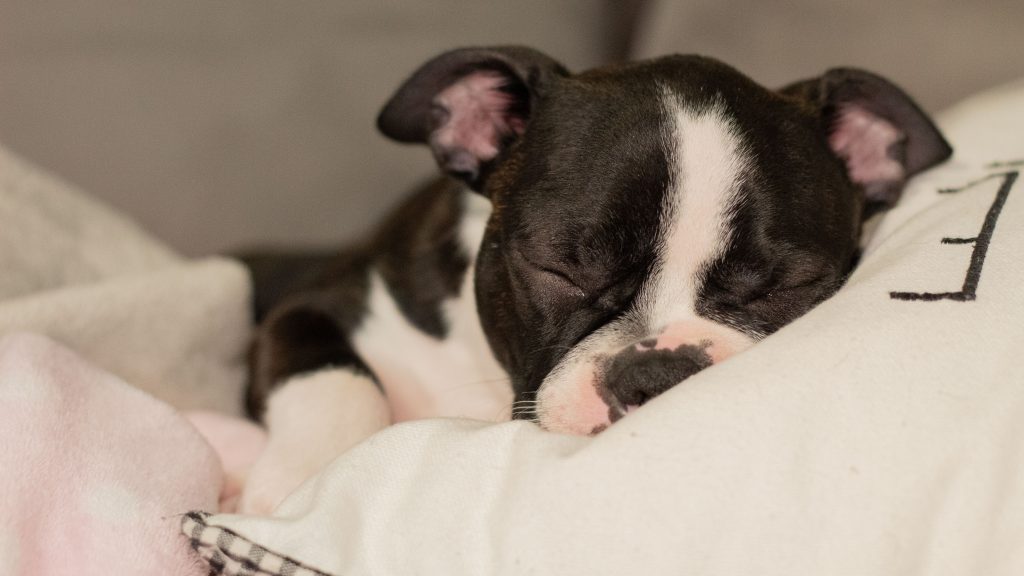
Puppy Sleep Schedule: How Much Sleep Does Your Puppy Need?
Bringing a puppy home is a joyful experience, but those first few weeks can also be challenging. Between unexpected wake-up calls, night time whining, and endless questions about their care, there’s a lot for new puppy parents to learn. One moment, your little friend is racing around the house, and the next, they’re curled up fast asleep. If you’ve experienced this, you’re certainly not alone!
Establishing a proper puppy sleep schedule can make everyday life much easier. Puppies need plenty of rest for healthy growth, learning, and development. Their sleeping patterns also change as they get older, so understanding their needs will help you create a routine that suits both of you.
Whether you’ve recently welcomed your first puppy or you’re wondering why your furry companion keeps waking up at night, PuppyNest is here to help. This guide covers everything from sleep requirements at different ages to practical bedtime tips that can help your puppy settle more comfortably.
Why Do Puppies Need Plenty of Sleep?
Have you ever watched your puppy play energetically for a few minutes before suddenly falling asleep? It might seem surprising, but this is a normal part of puppyhood.
Young dogs spend much of their day discovering new things, interacting with their surroundings, learning basic commands, and playing with their favourite people. Their bodies and brains are developing quickly, which means regular rest is just as important as their daily activities.
Here’s how sleep supports your puppy’s development:
- Physical growth: Adequate sleep supports your puppy’s normal growth and development.
- Brain development: Rest helps puppies process their experiences and adjust to new surroundings.
- Learning and training: A rested puppy may find it easier to concentrate during training and practise new skills.
- Emotional well-being: Too little sleep can leave puppies restless, irritable, or unusually excitable.
- Energy recovery: Playtime and training require energy. Sleep gives your puppy time to recover before their next adventure.
Sleep should be treated as an essential part of puppy care, alongside proper nutrition, grooming, exercise, and regular veterinary check-ups.
You might notice that your puppy becomes more excitable, nips during play, or struggles to calm down after being awake for a while. Sometimes, these behaviours indicate that your little companion needs rest rather than more entertainment.
A helpful tip: Encourage naps throughout the day instead of waiting until your puppy becomes exhausted. Regular opportunities to rest can help them develop healthier sleeping habits as they grow.
How Much Sleep Does a Puppy Need?
If you’ve recently become a puppy parent, you’ve probably wondered, How much sleep does a puppy need to stay healthy?
Most young puppies sleep around 18–20 hours a day, particularly during their first few months. However, sleep requirements vary depending on age, breed, activity level, temperament, and overall health.
Although this might seem excessive, puppies are growing rapidly. They don’t usually sleep for the entire duration at once. Instead, their rest is divided between night time sleep and several naps throughout the day.
Here’s a general overview of puppy sleep requirements by age:
| Puppy Age | Approximate Daily Sleep | Typical Sleeping Pattern |
|---|---|---|
| 8–12 weeks | 18–20 hours | Frequent naps, short play sessions, and night time toilet breaks |
| 3–4 months | 16–20 hours | More active periods, regular daytime naps, and gradually improving night time sleep |
| 4–6 months | 14–18 hours | Longer periods of wakefulness with continued opportunities to rest |
| 6–12 months | 12–16 hours | A more predictable routine, although sleep needs still vary |
These numbers are estimates rather than strict requirements. Every puppy develops at their own pace, and individual sleep needs can differ.
For instance, a puppy that spends the morning exploring the house and practising basic commands might need a long nap afterward. Another puppy of the same age may prefer several shorter naps throughout the day.
Instead of focusing entirely on the clock, pay attention to your puppy’s behaviour. If they’re eating properly, playing when awake, responding normally, and settling comfortably for naps, their routine may be suitable.
However, a sudden change in sleeping patterns, especially alongside other unusual symptoms, shouldn’t be ignored.
Puppy Sleep Schedule by Age
Your puppy’s sleep needs won’t remain the same throughout their first year. As they grow, their waking hours gradually increase, and their daily routine becomes more predictable.
Understanding these changes can help you establish a schedule that suits their development rather than expecting them to follow a routine they’re not ready for.
1. Puppies Between 8 and 12 Weeks
Those first few weeks at home are full of new experiences for your puppy. They’re getting used to unfamiliar surroundings, different sounds, new people, and a routine that’s completely different from what they knew before.
With so much happening, settling down can sometimes be difficult.
Puppies in this age group generally need around 18–20 hours of sleep daily. Their routine usually includes:
- Short, gentle play sessions.
- Regular meals suited to their age and feeding requirements.
- Frequent toilet breaks, particularly after waking up.
- Several naps throughout the day.
- A familiar and consistent bedtime routine.
Waking up during the night is common because young puppies have small bladders and may need toilet breaks before morning.
If your puppy whines when you put them to bed, they could be feeling unsettled or missing the comfort of their mother and littermates. They might also need to relieve themselves.
Make sure their sleeping area is comfortable, quiet, and close enough to help them feel secure.
What you can do: Concentrate on building trust and establishing a predictable routine. Your puppy needs time to adjust, so don’t expect them to sleep through the entire night straight away.
2. Puppies Between 3 and 4 Months
By three or four months, your puppy may feel much more comfortable at home. They’ll probably be more confident exploring their surroundings, playing with family members, and learning simple commands such as sit, come, and leave it.
Even with their growing independence, they still need plenty of sleep.
A suitable puppy sleep schedule at this age should include night time rest and several daytime naps. Some puppies begin sleeping for longer stretches at night, while others continue to need occasional toilet breaks.
This is also a good time to establish a bedtime routine. You could finish energetic play earlier in the evening, offer a final toilet break, and then guide your puppy to their sleeping area.
One mistake to avoid is deliberately keeping your puppy awake for long periods in the hope that they’ll sleep better at night. An overtired puppy can become restless and struggle to settle.
What you can do: Keep bedtime reasonably consistent and allow your puppy to rest whenever they show signs of tiredness.
3. Puppies Between 4 and 6 Months
At this stage, your puppy is becoming more active, curious, and independent. They may be able to stay awake longer than they could during their first few weeks at home, but regular rest is still essential.
You might also notice that their sleeping habits become easier to predict, especially when meals, playtime, and toilet breaks follow a familiar routine.
A balanced day could include:
- A morning toilet break followed by breakfast.
- Gentle exercise and short training sessions.
- A morning nap.
- Lunch, if included in their feeding schedule.
- Afternoon playtime followed by another nap.
- Relaxed family time in the evening.
- A final toilet break before bedtime.
Teething, changes in their surroundings, and exciting new experiences may temporarily affect their sleep. Don’t be surprised if your puppy occasionally needs extra rest during these periods.
What you can do: Encourage your puppy’s growing independence while maintaining a comfortable sleeping area and regular opportunities for daytime and night time rest.
4. Puppies Between 6 and 12 Months
As your puppy approaches adolescence, their sleep pattern may start to resemble that of an adult dog.
Many puppies in this age group sleep around 12–16 hours a day, although some may need more depending on their breed, activity level, and individual development.
Your puppy might now enjoy longer walks suited to their age, more structured training, and additional opportunities to explore the world around them.
However, increased energy doesn’t necessarily mean they’ve outgrown their naps. Young dogs can become overstimulated when they have too much activity and too little downtime.
Continue providing quiet periods throughout the day and maintain a consistent bedtime. If your puppy seems tired after a busy morning, let them settle down instead of immediately introducing another activity.
What you can do: Make gradual adjustments to their routine as they mature, keeping an eye on their energy levels, behaviour, and individual sleep requirements.
Sample Daily Sleep Schedule for a Puppy
Not sure how to organise your puppy’s day? A simple timetable can help you balance sleep, meals, playtime, training, and toilet breaks without making the routine unnecessarily complicated.
Here’s an example for a puppy around 10–12 weeks old.
| Time | Activity |
|---|---|
| 6:30 AM | Wake up and take a toilet break |
| 7:00 AM | Breakfast |
| 7:20 AM | Gentle play and a short training session |
| 8:00 AM | Morning nap |
| 10:00 AM | Wake up, use the toilet, and enjoy supervised play |
| 10:45 AM | Rest and nap |
| 12:00 PM | Scheduled meal, if needed, followed by a toilet break |
| 12:30 PM | Quiet interaction and gentle exploration |
| 1:00 PM | Afternoon nap |
| 3:00 PM | Wake up, toilet break, and playtime |
| 4:00 PM | Short rest period |
| 5:00 PM | Evening meal, depending on the feeding plan |
| 5:30 PM | Gentle play and family interaction |
| 6:30 PM | Quiet time and another nap, if needed |
| 8:00 PM | Calm activities and preparation for bedtime |
| 9:00 PM | Final toilet break and bedtime |
| Overnight | Sleep, with toilet breaks as required |
Keep in mind that this is only a sample routine. Your puppy may need more frequent toilet breaks, shorter periods of activity, additional naps, or a different bedtime.
Very young puppies often need overnight toilet breaks, so don’t worry if your puppy can’t follow this schedule exactly.
Meal frequency should also depend on their age, breed, food, and veterinary recommendations.
Use this timetable as a starting point, then adjust it according to your puppy’s needs as they grow.
The aim isn’t to organise every minute of their day. It’s to create a familiar rhythm that helps them feel safe, comfortable, and well-rested.
Why Do Puppies Wake Up at Night?
Imagine settling into bed after a long day, only to hear your puppy whining from their sleeping area a few hours later. It’s a familiar experience for many new puppy parents.
Night time waking is especially common during the first few weeks at home. Understanding the possible reasons can help you respond appropriately instead of feeling frustrated.
1. They Need to Go to the Toilet
Young puppies can’t hold their bladders as long as adult dogs. Depending on their age and individual needs, they may need to go outside several times during the night.
If your puppy wakes up and seems restless, take them to their designated toilet area.
Keep the trip quiet and straightforward. Once they’ve finished, guide them back to bed rather than turning the experience into playtime.
2. They’re Adjusting to a New Environment
Leaving their mother and littermates is a major change for a young puppy. Sleeping alone in an unfamiliar place can feel unsettling, particularly during the first few nights.
Your home has different sounds, smells, and routines, so your puppy needs time to feel comfortable.
Create a familiar sleeping environment and consider keeping their bed or crate near you initially, if appropriate for your setup. This may help them feel more secure while they adjust.
3. They’re Hungry or Thirsty
Growing puppies need regular meals, and their nutritional requirements change as they develop.
Check that your puppy is following an appropriate feeding schedule for their age. Make sure fresh water is available during the day, and speak with your veterinarian if you’re unsure about feeding times or overnight water arrangements.
Remember that night time whining doesn’t always mean hunger. Your puppy could need a toilet break, reassurance, or help settling down.
4. They’re Overtired or Overstimulated
Here’s something that can surprise new puppy parents: being tired doesn’t always make a puppy look sleepy.
An overtired puppy may become more excitable, bark more frequently, nip during play, or struggle to relax.
Too much activity immediately before bedtime can also make settling down difficult.
Instead of energetic evening games, try quieter activities such as gentle interaction, supervised sniffing, or simply spending some peaceful time together.
5. Their Sleeping Environment Is Uncomfortable
Noise, temperature changes, an uncomfortable bed, or unfamiliar surroundings can interrupt your puppy’s sleep.
Check that their sleeping area is clean, dry, well-ventilated, and protected from extreme temperatures.
If your puppy suddenly starts waking frequently, appears distressed, or develops other signs of illness, contact your veterinarian. Don’t automatically assume the problem is behavioural.
PuppyNest tip: Look for patterns before making major changes to your puppy’s routine. Do they wake up around the same time every night? Do they settle after going to the toilet? Does restlessness happen more often after particularly busy evenings? These observations can help you identify what your puppy needs.
How to Help Your Puppy Sleep Better
Helping your puppy develop healthy sleeping habits doesn’t require expensive products or a complicated timetable. A few thoughtful changes and a little patience can make bedtime more comfortable.
1. Maintain a Consistent Bedtime
Try to keep your puppy’s bedtime and morning wake-up time reasonably consistent.
A familiar routine helps them recognise when the day is winding down and when it’s time to rest.
You don’t need to follow the exact same schedule every evening. Aim for consistency while allowing enough flexibility to meet your puppy’s needs.
2. Prepare a Comfortable Sleeping Area
Every puppy needs a safe, comfortable place where they can rest without constant interruptions.
Depending on your puppy and household, this could be a suitable dog bed or a crate introduced gradually and positively.
Make sure their sleeping area is:
- Quiet and comfortable.
- Clean and dry.
- Properly ventilated and protected from extreme temperatures.
- Free from objects they could chew and swallow.
- Away from busy areas where people frequently walk past.
If you choose crate training, help your puppy build positive associations with the crate. Never use it as punishment or keep your puppy confined longer than is suitable for their age and needs.
3. Create a Relaxing Evening Routine
A calm evening helps your puppy transition from activity to rest.
You can follow a simple routine:
- Finish energetic games well before bedtime.
- Spend some time on quiet activities or gentle interaction.
- Give your puppy a chance to use the toilet.
- Guide them to their sleeping area.
- Keep the surroundings calm, with minimal noise and excitement.
Repeating these steps can help your puppy become familiar with the bedtime routine.
4. Balance Exercise, Training, and Rest
Play and mental stimulation are important for puppies, but they shouldn’t replace sleep.
Short, age-appropriate play sessions and gentle training give your puppy opportunities to explore, learn, and use their energy.
Avoid exercising your puppy excessively just to make them sleep longer. Their growing bodies need appropriate care, and too much activity may leave them overtired.
Allow them to rest between activities, adjusting the amount of exercise and downtime according to their age, breed, and energy levels.
5. Respond Calmly When They Wake at Night
When your puppy wakes up, consider what might be causing the interruption.
If they probably need a toilet break, take them out quietly. If they seem unsettled, check that they’re safe, comfortable, and not showing signs of distress.
There’s no need to turn every wake-up into a lengthy play session. At the same time, don’t ignore genuine distress or possible signs of illness.
Your puppy is still learning how to feel secure in their new home. Consistency and patience will help them adjust more effectively than expecting immediate results.
6. Track Your Puppy’s Sleeping Habits
Keeping a simple sleep diary can help you understand your puppy’s routine and identify what works best for them.
For several days, make a note of:
- When they wake up in the morning.
- When and how often they nap.
- How long they stay awake between naps.
- When they eat and play.
- How frequently they wake during the night.
Over time, you may notice that your puppy becomes restless after staying awake too long or settles more easily when evenings are quieter.
Use these observations to make small, practical changes rather than completely overhauling their routine.
Looking for more ways to care for your furry companion? Explore PuppyNest for practical advice on feeding, grooming, health, and other everyday puppy-care needs.
Common Puppy Sleep Mistakes to Avoid
Even the most caring puppy parents can develop habits that unintentionally make bedtime more difficult. Knowing what to avoid can help you build a healthier routine from the beginning.
1. Keeping Your Puppy Awake for Too Long
Some owners assume that a puppy will sleep better at night if they stay awake throughout the day.
In reality, an overtired puppy may become restless and have trouble settling down.
Give your puppy regular opportunities to nap, even when you’re tempted to continue playing with them.
2. Expecting Uninterrupted Sleep Too Early
Young puppies often need nighttime toilet breaks for several weeks or longer, depending on their development.
Expecting your puppy to sleep through the entire night before they’re ready can create unnecessary stress for both of you.
Be patient and adjust your expectations as your puppy matures.
3. Making Bedtime Too Exciting
Energetic games, rough play, and excessive stimulation immediately before bed can make it harder for your puppy to relax.
Move active playtime earlier in the evening and introduce calmer activities as bedtime approaches.
4. Ignoring Changes in Sleeping Patterns
Puppies naturally have different sleeping habits, but sudden changes shouldn’t always be dismissed as normal.
If your puppy becomes unusually tired, struggles to settle, or starts waking frequently alongside other symptoms, consult a veterinarian.
5. Using a Crate as Punishment
A crate should provide a comfortable place to rest, not become somewhere your puppy associates with fear.
Introduce it gradually, reward calm behaviour, and ensure your puppy has regular opportunities to move around and use the toilet.
6. Forcing Your Puppy to Follow a Fixed Schedule
A timetable that works well for one puppy might not suit another.
Age, breed, health, activity level, and temperament can all affect sleep requirements.
Use sample schedules as flexible guidelines and make adjustments based on your puppy’s individual needs.
When Should You Consult a Veterinarian?
Sleeping for long periods is normal for many puppies, and their routines can change as they grow. However, unusual changes in sleep may sometimes indicate an underlying health problem.
Contact your veterinarian if your puppy:
- Suddenly starts sleeping significantly more or less than usual.
- Appears unusually tired or has less interest in interacting when awake.
- Struggles to settle or seems persistently uncomfortable.
- Wakes frequently and appears distressed despite having their basic needs met.
- Develops changes in appetite, drinking, or toilet habits alongside changes in sleep.
- Experiences coughing, vomiting, diarrhoea, or other signs of illness.
Seek urgent veterinary care if your puppy is difficult to wake, has trouble breathing, collapses, or develops other severe or rapidly worsening symptoms.
Don’t assume that every change in sleeping behaviour is related to teething, growth, or a disrupted routine. A veterinarian can assess your puppy and help identify the cause.
When something doesn’t seem right, seeking professional advice is safer than waiting for the problem to resolve on its own.
Frequently Asked Questions About Puppy Sleep Schedules
1. How much sleep does a puppy need each day?
Most young puppies need approximately 18–20 hours of sleep daily, including nighttime rest and daytime naps. As they grow, their sleep requirements generally decrease. However, individual needs vary, so monitor your puppy’s behaviour and speak with a veterinarian if you have concerns.
2. When will my puppy start sleeping through the night?
There’s no single age when every puppy begins sleeping through the night. Some start sleeping for longer stretches within their first few weeks at home, while others take more time. Bladder development, health, daily routines, and adjustment to a new environment can all influence nighttime sleep.
3. Should I wake my puppy from a nap?
In most cases, a healthy puppy can be allowed to sleep when they need rest. However, you may sometimes need to wake them gently for a scheduled meal, a toilet break, prescribed medication, or another essential care need. If your puppy is unusually difficult to wake, seek veterinary advice.
4. Is it normal for puppies to wake up at night?
Yes, nighttime waking is common among young puppies. They may need a toilet break, feel unsettled in their new home, or struggle to adjust to their sleeping environment. A consistent bedtime routine can help, but frequent waking accompanied by discomfort or other symptoms should be discussed with a veterinarian.
5. Should my puppy sleep in a crate or a dog bed?
Both options can work when the sleeping arrangement is safe and comfortable. Some puppies settle well in a crate that’s been introduced gradually, while others prefer a suitable dog bed in a secure area. Choose an arrangement that meets your puppy’s needs and allows appropriate movement, supervision, and toilet breaks.
Help Your Puppy Develop Healthy Sleeping Habits
Creating a healthy puppy sleep schedule doesn’t mean making your puppy follow a perfect timetable every day. It’s about recognising their needs, providing a comfortable environment, and establishing a routine that supports their growth.
Your puppy is still learning about the world, and their sleeping habits will develop with time. Some nights will be peaceful, while others might involve extra toilet breaks or a little reassurance. That’s a normal part of raising a young dog.
Focus on providing enough rest, balancing playtime with quiet periods, maintaining a familiar bedtime routine, and noticing any unusual changes in behaviour. With patience and consistency, you can help your puppy develop healthy sleeping habits as they grow.
And remember, you don’t have to work everything out on your own!
At PuppyNest, we make puppy parenting easier by sharing practical information on feeding, grooming, vaccination, health, training, and everyday care.
Ready to learn more about looking after your furry companion? Visit PuppyNest to explore helpful puppy-care guides and give your little friend the best possible start.
A well-rested puppy is ready to wake up to a new day of learning, exploring, and making wonderful memories with you!