How to take care of a puppy for beginners
How to take care of a puppy as a beginner is a valid question, as bringing home a new puppy is pure joy until you realise this tiny, chaotic creature is completely dependent on you. Between midnight potty runs, endless chewing, and figuring out vaccination schedules, it’s totally normal to feel a bit overwhelmed and wonder if you’re doing it right.
>Whether your pup is already zoomie-ing around the living room or you’re just setting up their crate before bring-home day, we’ve got you covered. Here is everything you need to know to get through those first few months with your sanity and your slippers intact.
Why Puppy Care Can Feel Overwhelming
Let’s be real-taking care of a puppy is intense.
One second you’re swooning over a tiny bow tie collar, and the next you’re panic-googling “Why is my puppy biting my ankles at 3 AM?” or “Is 18 hours of sleep normal?”
Puppies are essentially furry toddlers who don’t speak your language. They rely on you for everything, which means you’re suddenly juggling:
1. Decoding confusing vaccine and deworming schedules
2. Figuring out exact food portions (and stopping them from eating rocks)
3. Potty training before your carpets are ruined forever
4. Puppy-proofing your home so they don’t chew through electrical cords
5. Discerning normal puppy weirdness from actual medical emergencies
It’s a lot! But you don’t need to master it all by tonight. Great pet parenting happens through tiny, daily wins and that’s where puppynest.site comes in.
puppynest: Your Beginner-Friendly Puppy Care Guide
We created puppynest.site to strip away the overwhelming medical jargon and give you simple, actionable advice you can use immediately. Whether you’re navigating night one or tackling teenage rebellion six months down the line, we’re here to help you make sense of it all.
>Our guides cover the stuff you actually care about:
1. Nutrition: What to feed them (and how often)
2. Health: Vaccines, vet visits, and grooming basics
3. Behaviour: Potty training, socialization, and stopping the shark bites
4. Living: Puppy-proofing and age-appropriate exercise
Think of us as that experienced dog-owner friend you can text whenever you find yourself asking, “Okay… what am I supposed to do now?”
The Benefits of Getting Puppy Care Right From the Start
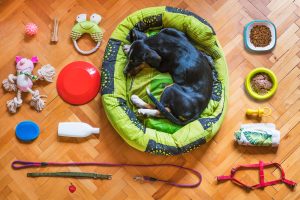
Setting up good habits early isn’t about being a “perfect” pet parent it’s just about giving your pup a safe, predictable routine so you’re not both totally stressed out.
>Putting in a little effort now pays massive dividends later. Getting the basics right from day one helps your puppy:
1. Nail the basics: Master potty training and household rules without the drama.
2. Feel secure: Build confidence around new people, strange noises, and weird environments.
3. Stay calm: Get used to grooming, nail trims, and vet visits without turning into a wriggling octopus.
4. Stay healthy: Build good eating habits and stay on top of preventative health.
5. Bond with you: Trust that you’re their safe person, making future training ten times easier.
The best part? The patience you invest today means you get a relaxed, well-adjusted dog for the next decade-plus.
How to Take Care of a Puppy for Beginners: Step by Step
1. Create a Safe Crash Pad First
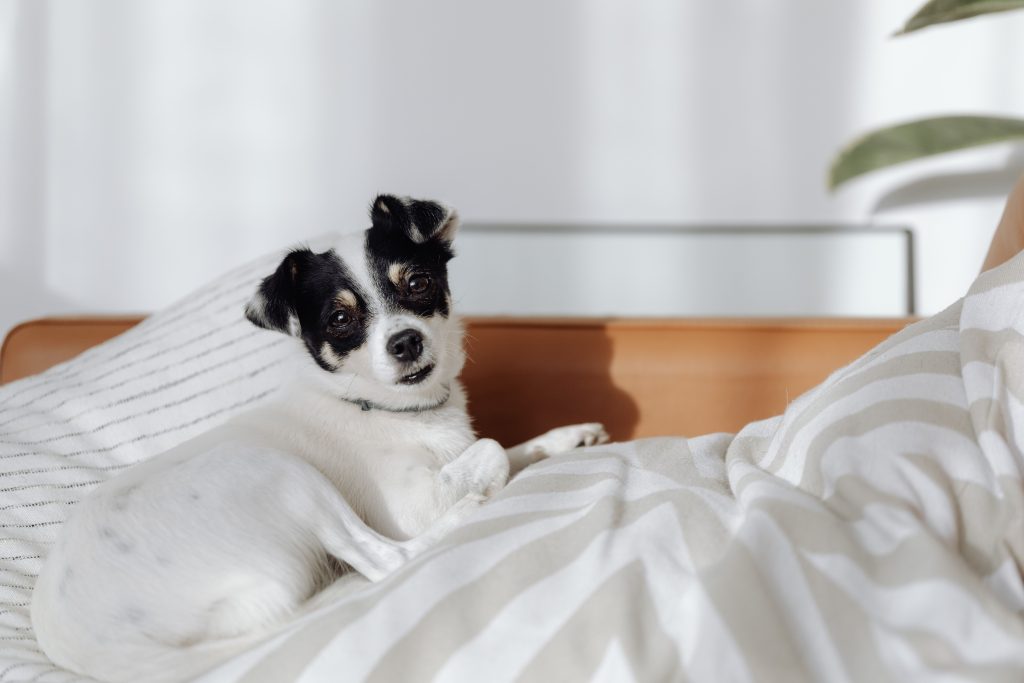
Before bringing your pup home, get down on all fours and look at your house from a dog’s perspective. Tuck away loose electrical cords, hide cleaning products and toxic plants, and sweep up tiny chewable objects. They don’t need a massive playground right away just a cosy, secure zone with a bed, water, safe toys, and quick access to a potty spot.
2. Book the Initial Vet Visit
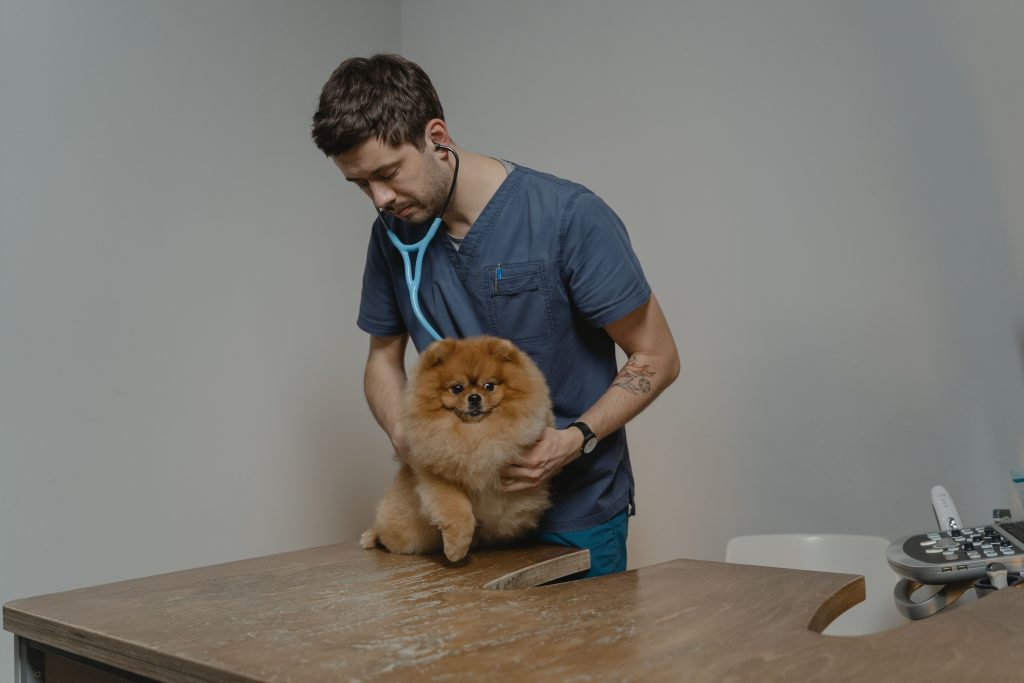
Don’t rely on random internet vaccine schedules. Set up a vet visit immediately to build a custom schedule for shots, deworming, and tick/flea prevention based on your local area and your pup’s age. Keep a folder (digital or paper) to track all their records and upcoming appointments.
3. Navigate Care Week-by-Week
Puppies transform fast, and their needs change by the month:
->8–10 Weeks: Focus on building trust, setting a potty schedule, gentle handling, and getting through initial vet visits.
->10–16 Weeks: Build out basic obedience, tackle the teething phase, and introduce new sights and sounds safely.
->4–6 Months: Energy levels will spike. Focus on structured exercise, consistent boundaries, and mastering social manners.
4. Nail the Feeding Routine
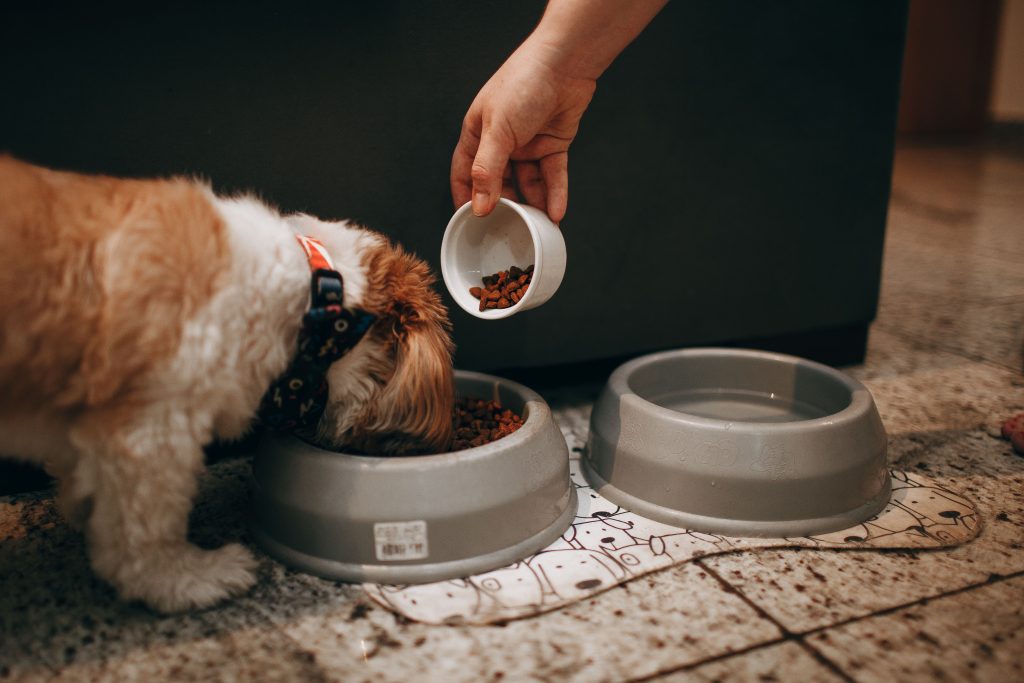
Choose a balanced, high-quality puppy food made for their expected adult size. Young pups need 3–4 small meals a day rather than one big feast to keep their blood sugar and digestion steady.
->A note on feeding charts: Breed charts are helpful guidelines, but every puppy burns calories differently. Use the bag’s serving size as a starting point, monitor their body condition, and adjust with your vet’s input.
->Pro tip: Keep clean water available constantly, and if you switch food brands, mix the old and new food together over a week to avoid stomach upsets.
5. Keep Training Short & Sweet
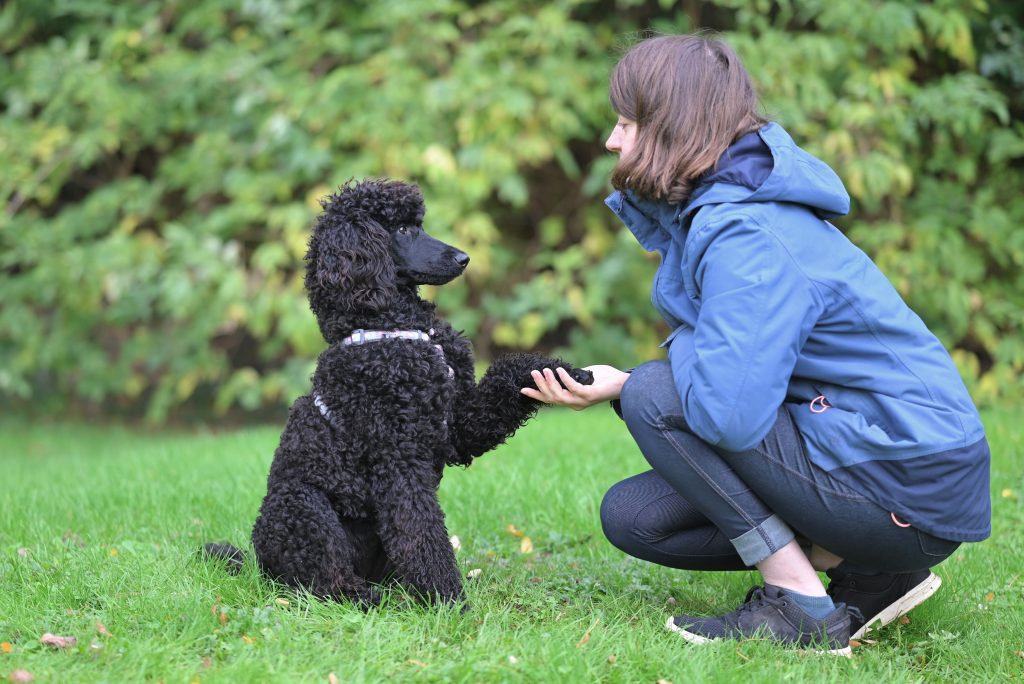
You don’t need to run a boot camp. Keep training sessions under five minutes long, using high-value treats and praise to teach name recognition, “sit,” “come,” gentle leash walking, and potty routines. Consistency across the whole household is key if the pup isn’t allowed on the couch, nobody can invite them up.
6. Prioritize Puppy Naps
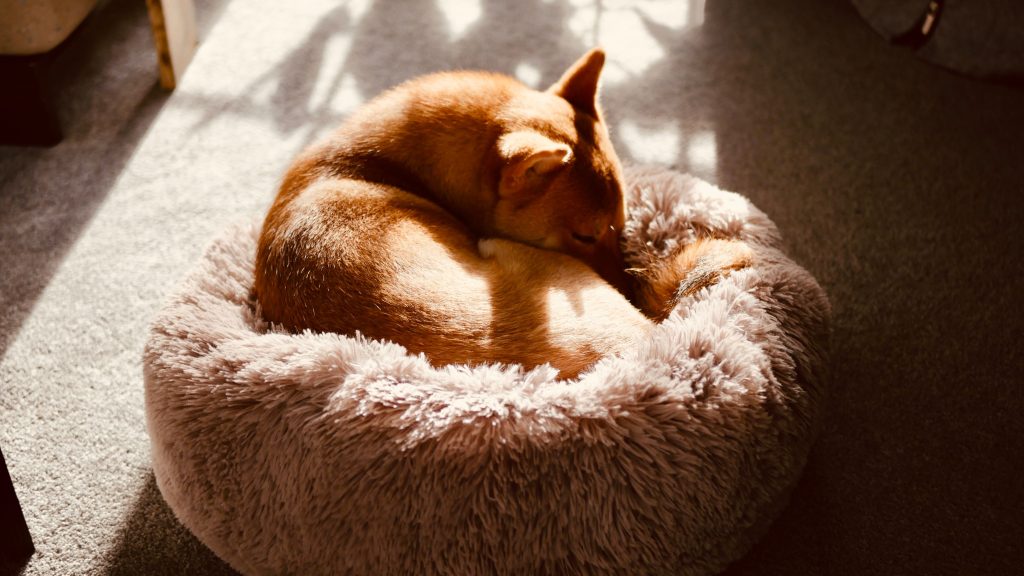
Many young Puppies may sleep around 18–20 hours of a day. When they turn into chaotic “shark mode” bite-monsters, it usually means they are overtired rather than full of energy. Enforce regular quiet, crate, or pen nap-times throughout the day.
7. Make Grooming Stress-Free
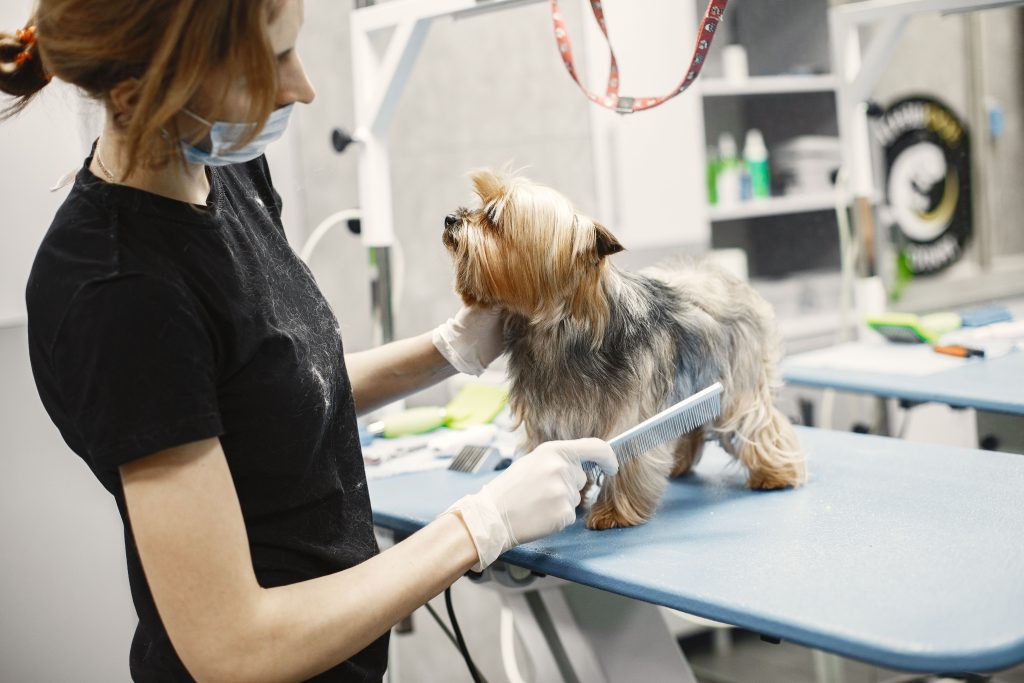
Start handling their paws, ears, tail, and mouth gentle from week one while giving treats. This turns future nail trims, coat brushing, and vet check-ups into a breeze. Go easy on baths over-washing strips their coat’s natural oils and causes itchy skin.
8. Socialize Smarter, Not Harder

Socialization isn’t just about meeting other dogs; it’s about exposing them to the world. Let them hear the vacuum cleaner, walk on grass and hardwood, and see people in hats. Just keep them away from unknown dogs and public dog parks until your vet gives the all-clear on their vaccinations.
9. Monitor Normal Baseline Behaviour
You’ll quickly learn your pup’s normal routine. If you notice sudden drops in energy, a loss of appetite, persistent diarrhea, or unusual breathing, skip the panic-searching online and call your vet for direct advice.
A Simple Daily Puppy Routine
Puppies thrive on predictability it stops them from getting anxious and helps lock in potty training much faster.
A realistic daily rhythm looks something like this:
1. Morning: Potty break immediately → Breakfast → Gentle play & brief training (2–5 mins) → Morning nap
2. Afternoon: Potty break → Lunch (if still on 3+ meals) → Brain games or short play → Long afternoon nap
3. Evening: Dinner → Relaxed family chill time → Quick potty run → Bedtime
Don’t panic if your schedule falls apart on day two. You’ll tweak the timing as you figure out your pup’s natural energy surges and crash times. The goal isn’t strict perfection it’s just a reliable flow.
Frequently Asked Questions
How do I take care of a puppy for the first time?
Start with the basics: provide a safe environment, appropriate puppy food and fresh water, veterinary care, vaccinations as recommended, regular sleep, gentle training, grooming, socialization, and lots of patience. A consistent daily routine can make the transition much easier.
How often should I feed my puppy?
The frequency depends mainly on your puppy’s age, size, food, and individual needs. Young puppies commonly need several meals throughout the day. Follow the food manufacturer’s guidance and your veterinarian’s recommendations rather than relying on a single generic feeding chart.
When should a puppy get vaccinated?
Vaccination schedules vary according to age, vaccine type, health, and local veterinary recommendations. Your veterinarian should create the vaccination schedule and tell you when your puppy can safely interact with different environments and animals.
How can I start toilet training?
Take your puppy to the appropriate toilet area regularly, especially after sleeping, eating, drinking, playing, and waking up. Reward successful behaviour immediately and avoid punishment for accidents. Consistency and supervision are key.
What should I do if my puppy seems sick?
If your puppy has concerning symptoms or a sudden change in normal behaviour, contact a veterinarian promptly. Puppies can become unwell quickly, so it’s better to ask for professional advice than to wait and guess.
Give Your Puppy the Best Start With puppynest
Look, being a puppy parent is a wild ride. There will be indoor accidents. There will be chewed-up shoes. And there will definitely be late-night moments where you wonder if you’ll ever get a full eight hours of sleep again.
>That is completely normal we’ve all been there!
You don’t need to be a dog whisperer overnight; you just need to show up with patience, consistency, and a little bit of guidance.
From nutrition breakdowns and vaccine schedules to crate training hacks and potty routines, puppynest.site is here to take the guesswork out of raising a dog. Bookmark your favourite guides, take a deep breath, and tackle it one day at a time.
You’ve got this! Explore puppynest.site today and start building a happy, healthy life with your new best friend.